
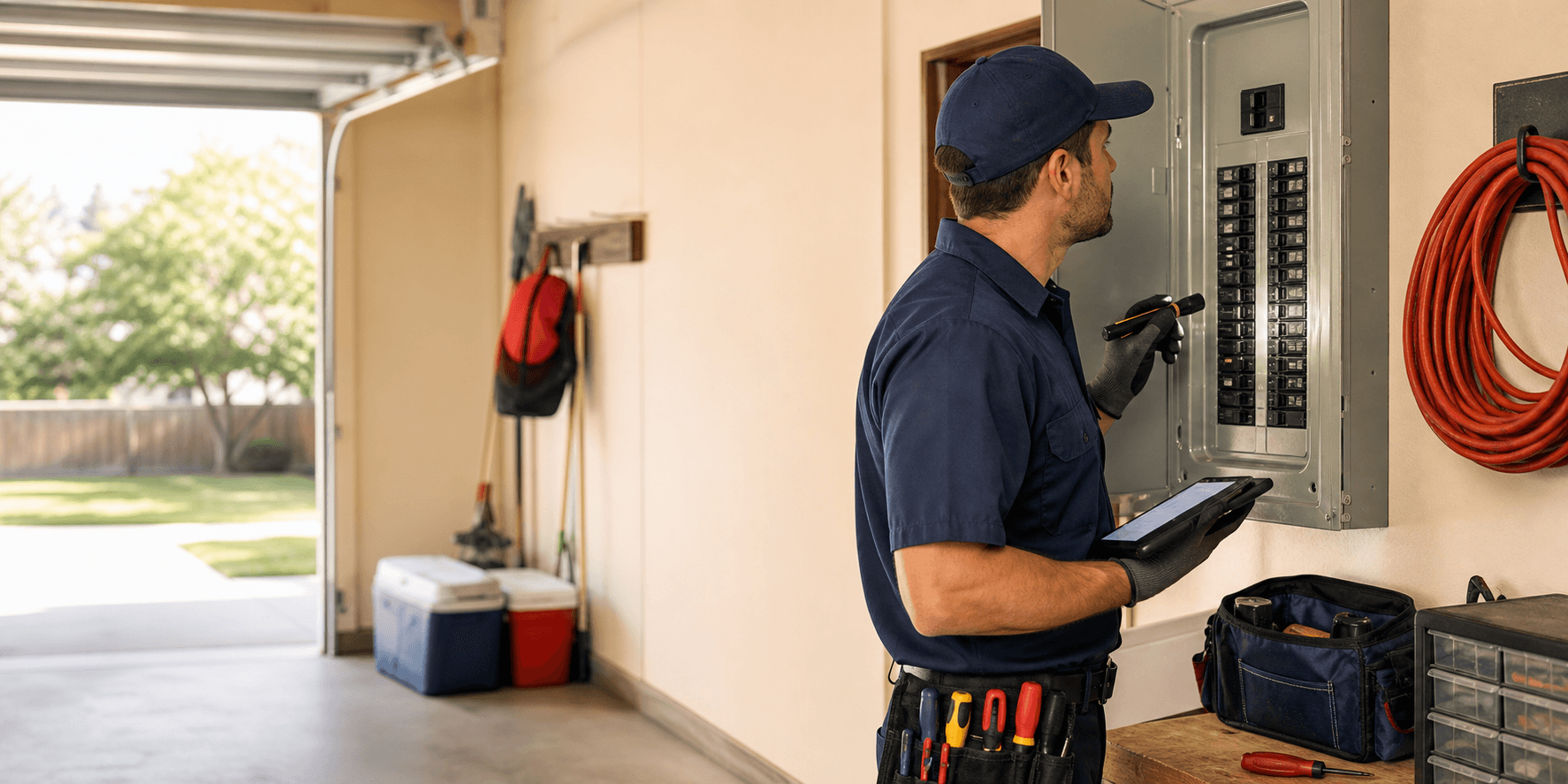
Real answers before the truck rolls.
Practical notes for Waco-area homeowners and businesses: panels, EV chargers, breaker trips, lighting, generators, remodels, and service-area pages for towns around McLennan County.
Start with the symptom, then the address.
- 01This hub is meant to help Waco-area homeowners and property managers move from a vague electrical symptom to the right next question. A breaker that trips once, a panel that feels warm, a charger quote, a remodel, and a rural outbuilding feeder all need different information before the work can be scoped responsibly.
- 02The guide pages explain what details matter before a service call: panel photos, equipment model numbers, the rooms or devices affected, recent storm or water exposure, and whether the issue affects one circuit or the whole building. Those details help separate simple device failures from circuit, service, grounding, or utility-side concerns.
- 03The local electrician pages are organized around Central Texas communities because address, utility setup, building age, rural distance, and city inspection expectations can change the plan. A Waco rental house, a Woodway home with a generator plan, a Robinson shop, and a Lorena remodel may all need different preparation.
- 04For urgent electrical problems, do not use these articles as a substitute for safety judgment. Burning smells, visible arcing, hot equipment, partial power, wet electrical gear, storm damage, or repeated breaker trips deserve direct help from a licensed electrician or the utility when the service side may be involved.
- 05For larger projects, the best time to read is before finishes are chosen. EV charger circuits, kitchen remodels, bathroom remodels, generator inlets, shop panels, and exterior power all become cleaner when routing, load, access, permits, and labeling are discussed before walls, concrete, or cabinetry lock in the path.
- 06For landlords, churches, shops, and small businesses, these pages are also a documentation aid. A good electrical visit should leave clear notes about what was tested, what was repaired, what remains limited, and which circuits or panels should be watched during future maintenance.
- 07For rural properties, the address matters even more. Wells, barns, shops, gates, pumps, freezers, exterior lighting, and long feeder runs should be discussed as a system because distance, voltage drop, disconnect placement, grounding, and weather exposure can change the safest design.
- 08For homeowners comparing quotes, the lowest number is not always the clearest plan. Ask what is included, what may require utility coordination, how the work will be labeled, and whether the estimate covers testing after the repair or installation is complete.
- 09For any electrical article here, the practical next step is the same: write down the symptom, gather safe photos, list the equipment affected, and note anything that changed recently. That small record makes the first conversation faster and helps avoid replacing one visible part while the real cause remains hidden.
- 10The page list is intentionally broad so crawlers and customers can move from a town page to a topic guide and back again without depending on search results alone.
- 11Each page is part of that same internal map: service areas, repair topics, planning guides, and contact details all point back to one real Waco electrical business.
Before a repair call
- Write down which rooms, outlets, appliances, or lights are affected before resetting anything repeatedly.
- Note heat, smell, buzzing, water exposure, storm timing, partial power, or any equipment that recently changed.
- Bring panel photos, device photos, and model numbers when the problem involves chargers, HVAC, pumps, or appliances.
Before a project
- List the loads you want to add, where they will sit, how often they run, and what future equipment may follow.
- Ask about route, breaker space, service capacity, disconnects, labels, permits, inspections, and utility timing.
- Set the electrical plan before finishes are locked in, especially for kitchens, bathrooms, shops, chargers, and generators.
Before choosing a page
- Use a local page when the town, utility, distance, inspection path, or property type affects the work.
- Use a guide page when the question is about a symptom, safety concern, appliance, remodel, panel, or special load.
- Use both when a project depends on address and topic, such as a Lorena remodel, a Woodway generator, or a Robinson shop.
Quick checklist for choosing the right guide
- Start with the problem, not the part. A failed outlet, breaker trip, or flicker can have several causes.
- Write down when the issue happens. Startup, heat of day, rain, storms, or one appliance can all change the diagnosis.
- Name the rooms affected. One device, one room, one side of the house, and the whole building mean different things.
- Look for heat marks, buzzing, loose devices, cracked covers, tripped GFCIs, water exposure, and lights that brighten or dim.
- Take safe photos. Do not remove covers or open panels just to get a better picture.
- For buying a home, ask about panel age, service size, grounding, GFCI protection, old wiring, and visible open splices.
- For older homes, expect mixed-era wiring. A grounded-looking outlet may not prove the branch circuit is safely grounded.
- For outdoor power, ask about weather-rated parts, covers, conduit, GFCI protection, and where the circuit can be shut off.
- For shops, list tool loads, 240 volt needs, lighting zones, dust collection, compressor location, and future equipment.
- For restaurants and commercial spaces, gather equipment cut sheets before rough-in or tenant finish work starts.
- For lighting, decide whether the goal is safety, task visibility, lower maintenance, better controls, or security coverage.
- For generators, decide what must run first. Whole-home backup and critical-load backup are different designs.
- For EV charging, panel capacity and charger settings matter as much as the charger location.
- For remodels, solve electrical layout while walls are open and before cabinets or finishes lock the route.
- For storm damage, wet or damaged equipment should stay off until it is checked.
- For landlords, turnover is the best time to test GFCIs, smoke alarms, panel labels, damaged devices, and exterior covers.
- For churches, classrooms, kitchens, sound booths, exterior lighting, and emergency lighting should all be part of maintenance.
- For farm and ranch work, dust, vibration, animals, weather, pumps, and long feeder runs make durable installation important.
- Use local pages for address-specific service planning. Use guide pages for symptoms, safety topics, and project planning.
- A useful estimate should explain what is known now and what still needs to be verified on site.
- A useful repair should end with labels, testing, and plain notes about what changed.
- Avoid permanent extension-cord plans, hidden junctions, indoor-rated outdoor parts, and oversized breakers.
- Ask whether utility coordination, permits, or inspection will affect timing before scheduling a larger job.
- Keep your own record of the work. Date, photos, scope, panel notes, and follow-up items all help later.
- Use plain words for the symptom first: dead outlet, tripping breaker, flicker, warm device, partial power, failed light, or damaged equipment.
- Write down the address, property type, access notes, gate codes, tenant timing, and the best place for the truck to park.
- Take safe photos of the panel, the panel label, the affected device, the surrounding wall, and any visible damage.
- Do not remove panel covers, device covers, or weatherproof covers just to take a better photo.
- Note if the issue started after rain, wind, lightning, utility work, a remodel, a new appliance, or a tenant move-in.
- List what was running when the issue happened, including HVAC, freezers, pumps, kitchen equipment, tools, or chargers.
- Say whether the problem affects one device, one room, one side of the building, one subpanel, or the whole property.
- For a breaker trip, write down how often it trips, what resets it, and whether it trips instantly or after a load runs.
- For flickering lights, note whether the flicker is one fixture, one room, or the whole house.
- For partial power, note whether large 240 volt appliances still work and whether neighbors have normal power.
- For a hot outlet or switch, stop using the device and note the load that was plugged in.
- For outdoor outlets, note rain exposure, cover condition, GFCI behavior, lawn equipment damage, and the nearest panel.
- For EV chargers, collect charger model, vehicle needs, desired amperage, parking side, Wi-Fi needs, and panel distance.
- For generators, list the circuits that must run, fuel type, transfer method, placement limits, and startup loads.
- For kitchen remodels, gather appliance locations, island plans, countertop outlets, lighting zones, disposal, and dishwasher needs.
- For bathroom remodels, gather vanity layout, fan location, lighting plan, heated floor specs, and GFCI requirements.
- For shops, list the largest tool, compressor, dust collection, welder, lighting zones, and future 240 volt loads.
- For barns and rural buildings, note pumps, gates, freezers, dust, animals, trench routes, and disconnect locations.
- For restaurants, gather cut sheets for equipment, hood controls, refrigeration, POS locations, and emergency lighting.
- For offices, note fixture counts, switch zones, desired light color, emergency lighting, and ceiling access.
- For churches, include kitchens, classrooms, exterior lights, sound booth loads, stage lighting, and exit lighting.
- For rentals, note tenant reports, repeat issues, turnover timing, smoke alarms, GFCI tests, and damaged devices.
- Ask whether the work needs a permit, an inspection, or utility coordination before scheduling a large project.
- Ask whether the quote separates diagnosis, repair, replacement, optional upgrades, and access work.
- Ask what can safely stay as-is and what should be replaced because of age, heat, damage, or poor access.
- Ask what will be labeled after the work is complete, especially panels, subpanels, disconnects, and new circuits.
- Ask what will be tested under realistic load before the job is considered finished.
- Keep repair notes with the date, photos, breaker locations, replaced parts, test results, and follow-up recommendations.
- Do not rely on extension cords, hidden junctions, indoor-rated outdoor parts, oversized breakers, or unlabeled circuits.
- Call sooner for heat, smoke, buzzing, arcing, water exposure, partial power, or damaged service equipment.
- Use local pages when the town, utility, inspection path, or property type changes the plan.
- Use guide pages when the question is about a symptom, device, project type, or safety concern.
- Use both when the job has a place and a topic, like a Waco panel upgrade or a Lorena kitchen remodel.
- A clean repair should be easy to inspect, easy to shut off, easy to label, and easy to explain later.
- The best electrical work solves the current need without making the next repair harder.
- The safest estimate is specific about what is known now and what still needs an on-site check.
- Good closeout notes help owners, tenants, inspectors, property managers, and future electricians understand the system.
- If a system is safe but close to capacity, plan the next large load before buying the equipment.
- If a system is unsafe, the first goal is safe shutdown and diagnosis, not a cosmetic fix.
- If you are unsure which page to read, start with the symptom, then narrow by town or project type.
- For any project, ask who is responsible for drywall, trenching, patching, access panels, paint, or equipment mounting.
- For panel work, ask where the main disconnect is, what the service size is, and whether the meter base is being touched.
- For subpanels, ask about feeder size, grounding, neutral separation, labeling, and future circuits.
- For GFCI problems, note whether protection is at the device, breaker, upstream outlet, spa panel, or exterior disconnect.
- For AFCI trips, list corded devices, recent fixture changes, dimmers, electronics, and any pattern in the trip timing.
- For lighting controls, decide if you need simple switches, dimmers, occupancy sensors, timers, photocells, or smart controls.
- For landscape lighting, plan transformer location, wet-rated splices, control method, fixture count, and service access.
- For parking lot lights, note pole count, failure pattern, timer settings, photocell location, and lift access.
- For smoke alarms, note alarm age, bedroom locations, interconnection, carbon monoxide needs, and nuisance chirp patterns.
- For low-voltage devices, check transformer ratings, wire condition, chime compatibility, Wi-Fi location, and mounting needs.
- For backup medical power, list device wattage, required runtime, battery backup, essential circuits, and transfer method.
- For annual maintenance, test GFCIs, check exterior covers, review panel labels, look for heat marks, and listen for buzzing.
Helpful electrical guides
panel upgrades
Panel Upgrade Cost in Waco
Panel Upgrade Cost in Waco: practical guidance for homeowners comparing 100 amp, 200 amp, and 320 amp service options around Waco and Central Texas.
service capacity
How to Tell If You Need a 200 Amp Panel
How to Tell If You Need a 200 Amp Panel: practical guidance for families adding HVAC, EV charging, workshops, or major appliances around Waco and Central Texas.
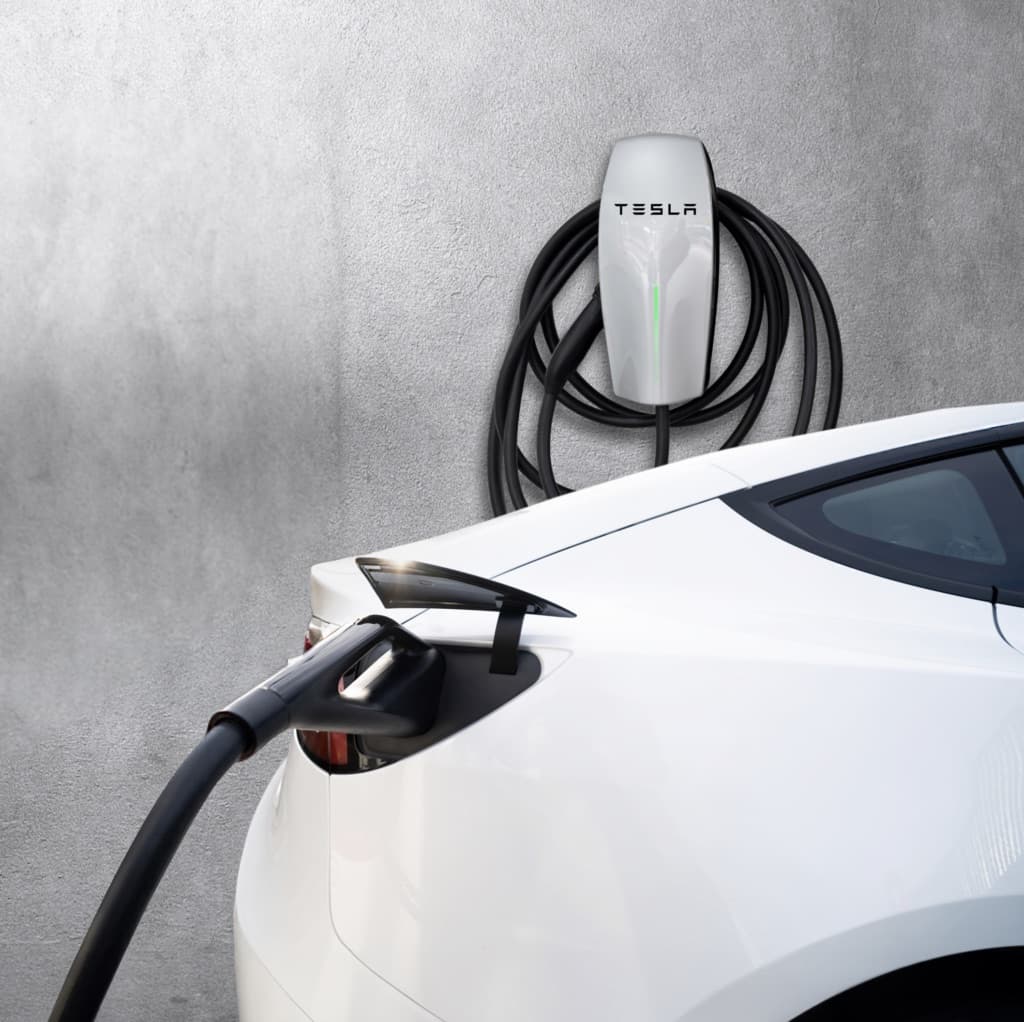
EV charger installation
EV Charger Installation Guide for Waco Homes
EV Charger Installation Guide for Waco Homes: practical guidance for drivers planning Level 2 charging at home around Waco and Central Texas.
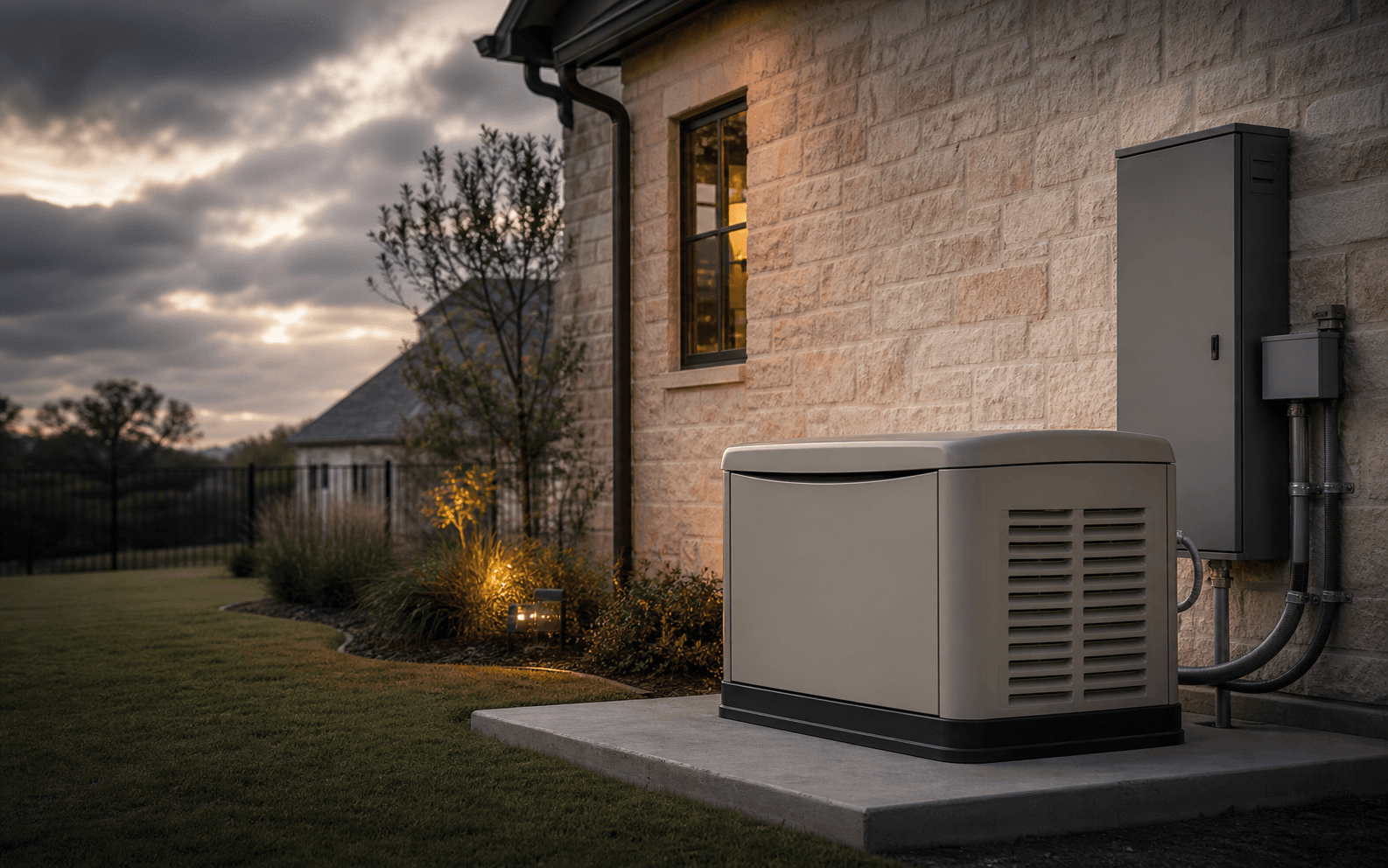
backup power
Generator Transfer Switch Guide
Generator Transfer Switch Guide: practical guidance for homeowners choosing between portable generator inlets and standby generators around Waco and Central Texas.
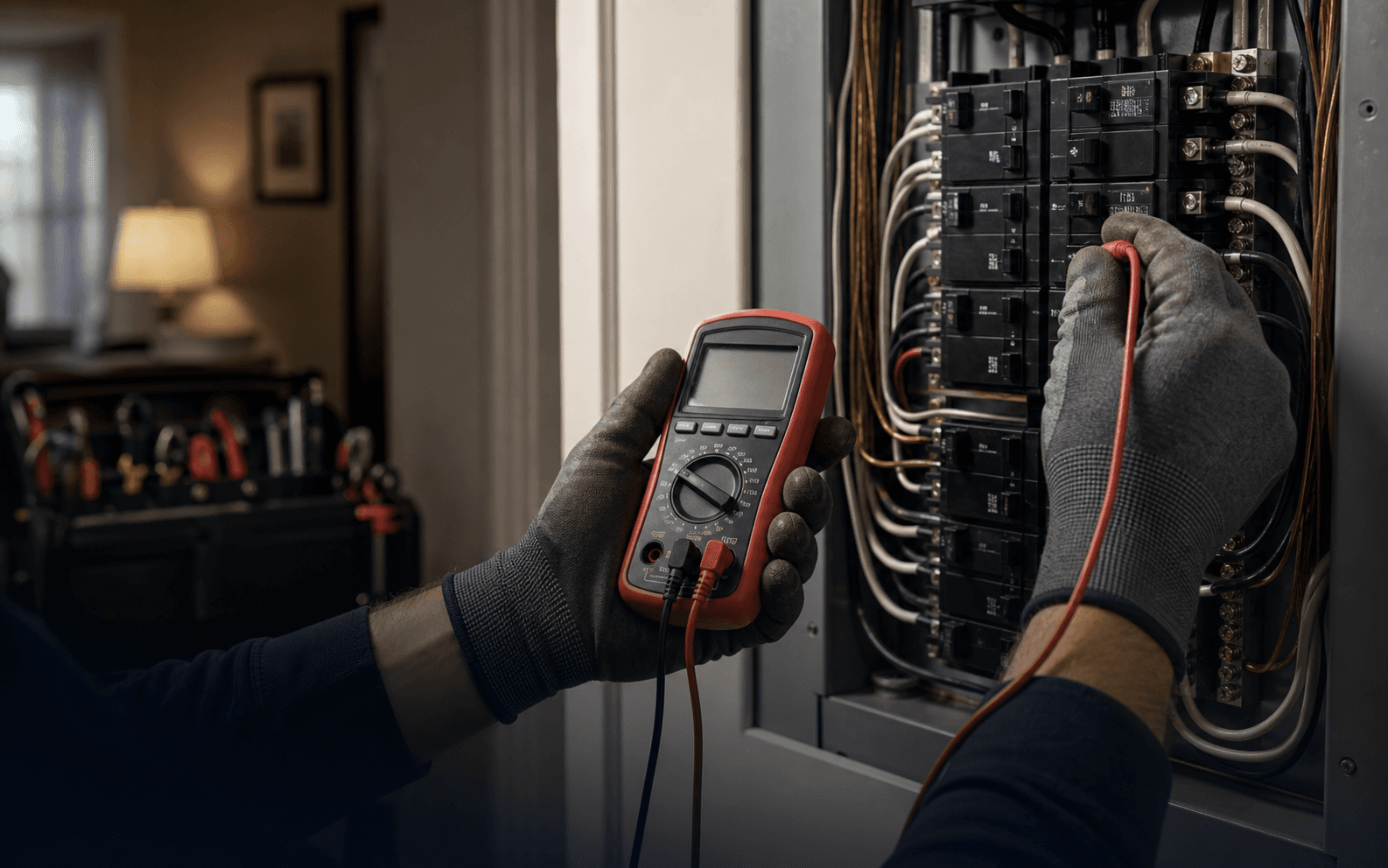
surge protection
Whole-Home Surge Protection in Central Texas
Whole-Home Surge Protection in Central Texas: practical guidance for homes with expensive electronics, HVAC boards, appliances, or well equipment around Waco and Central Texas.
breaker diagnostics
Why Your Breaker Keeps Tripping
Why Your Breaker Keeps Tripping: practical guidance for homeowners deciding whether a trip is nuisance, overload, or danger around Waco and Central Texas.
lighting diagnostics
Flickering Lights Troubleshooting
Flickering Lights Troubleshooting: practical guidance for homeowners noticing flicker, dimming, or pulsing lights around Waco and Central Texas.
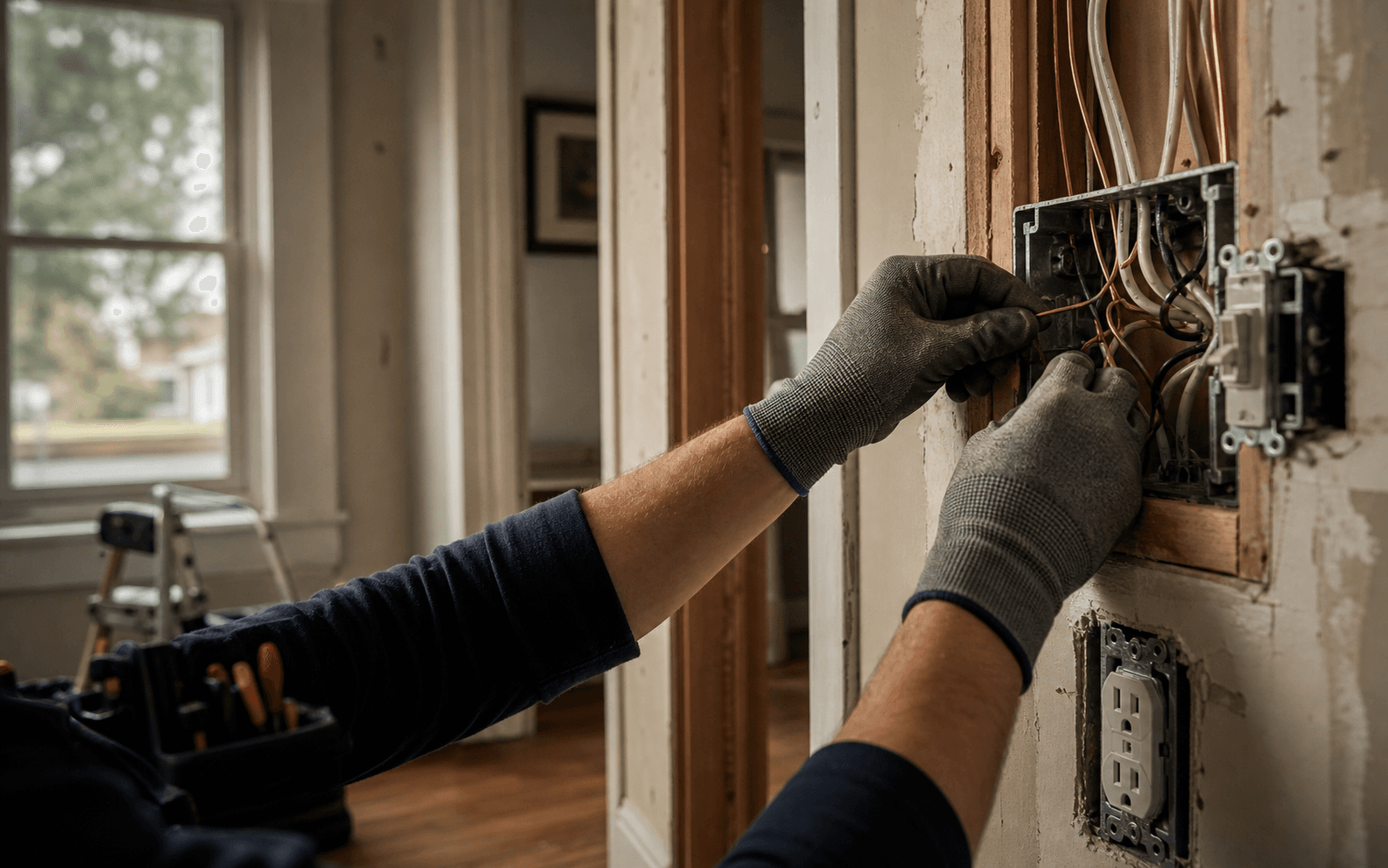
outlet safety
Hot Outlet Warning Signs
Hot Outlet Warning Signs: practical guidance for anyone who feels warmth, sees discoloration, or smells heat near a receptacle around Waco and Central Texas.
GFCI protection
Where Waco Homes Need GFCI Outlets
Where Waco Homes Need GFCI Outlets: practical guidance for homeowners updating kitchens, baths, garages, laundry rooms, and outdoor spaces around Waco and Central Texas.
Local pages around Waco
These pages help people find the right local electrician page instead of landing on one generic service-area block.
One call.
We bring the truck.
Estimates are free. Diagnostics are flat-rate. Emergency dispatch runs around the clock — including the day you needed power for the brisket.
- HoursMon–Fri · 7:00–18:00
- SaturdaySat · 8:00–14:00
- Emergency24 / 7 Emergency Dispatch
- Address1274 Buster Chatham Rd, Waco, TX 76705
- LicenseTECL 40891