The practical answer
A hot outlet can point to a loose connection, overloaded circuit, worn receptacle, or improper device rating.
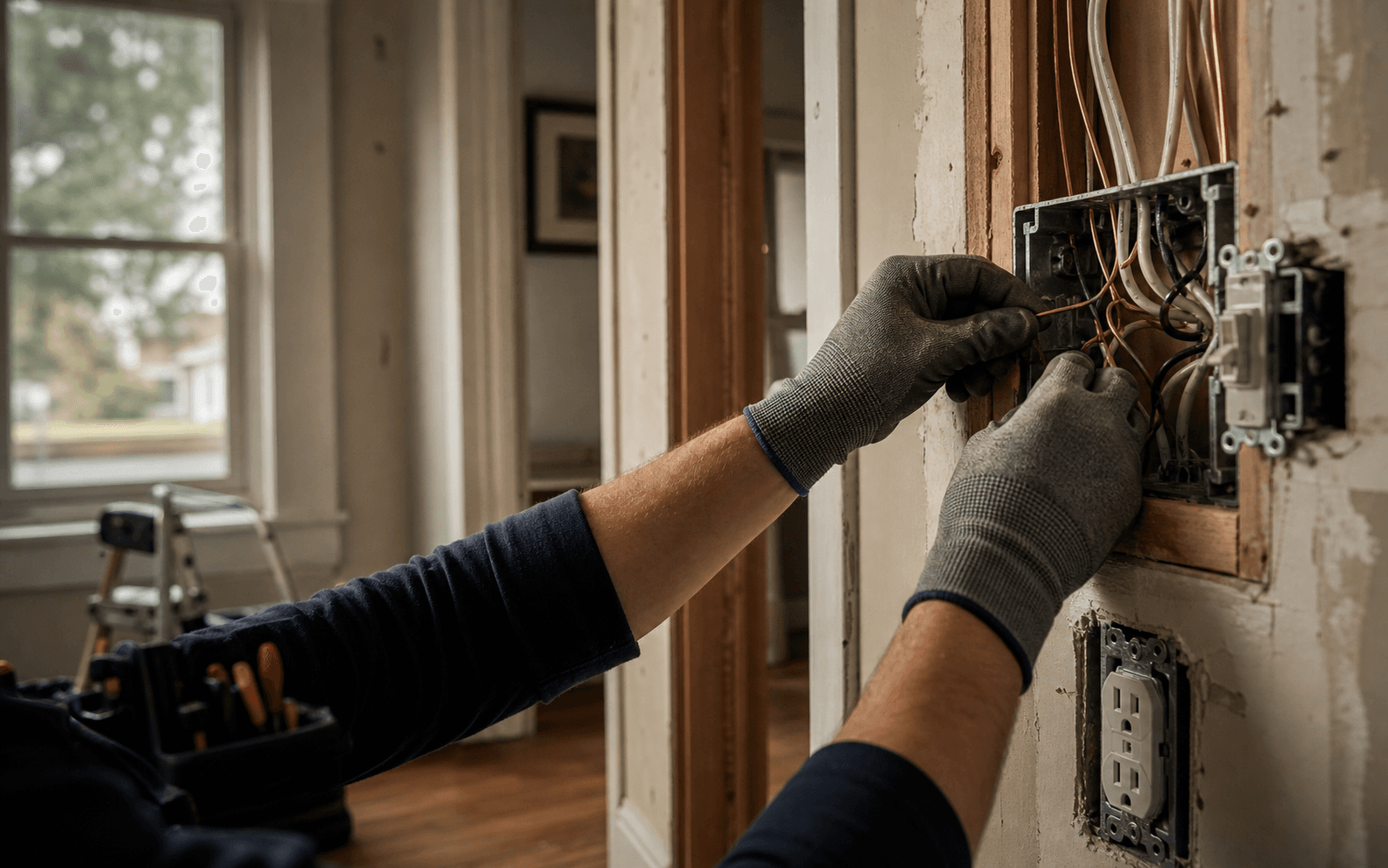
A licensed electrician should verify the existing wiring, panel condition, grounding.
and installation path before promising a final number or timeline.
That is how you avoid replacing one visible part while leaving the real problem untouched.
What to watch before you call
Scorching, buzzing, or melted plastic means stop using the outlet until it is checked.
Pay attention to when the issue started, what changed recently, whether weather or water was involved, and whether the symptom affects one device.
one room, or the whole house.
Those details help separate a simple device failure from a circuit or service issue.
How Uncle Sam's would scope it
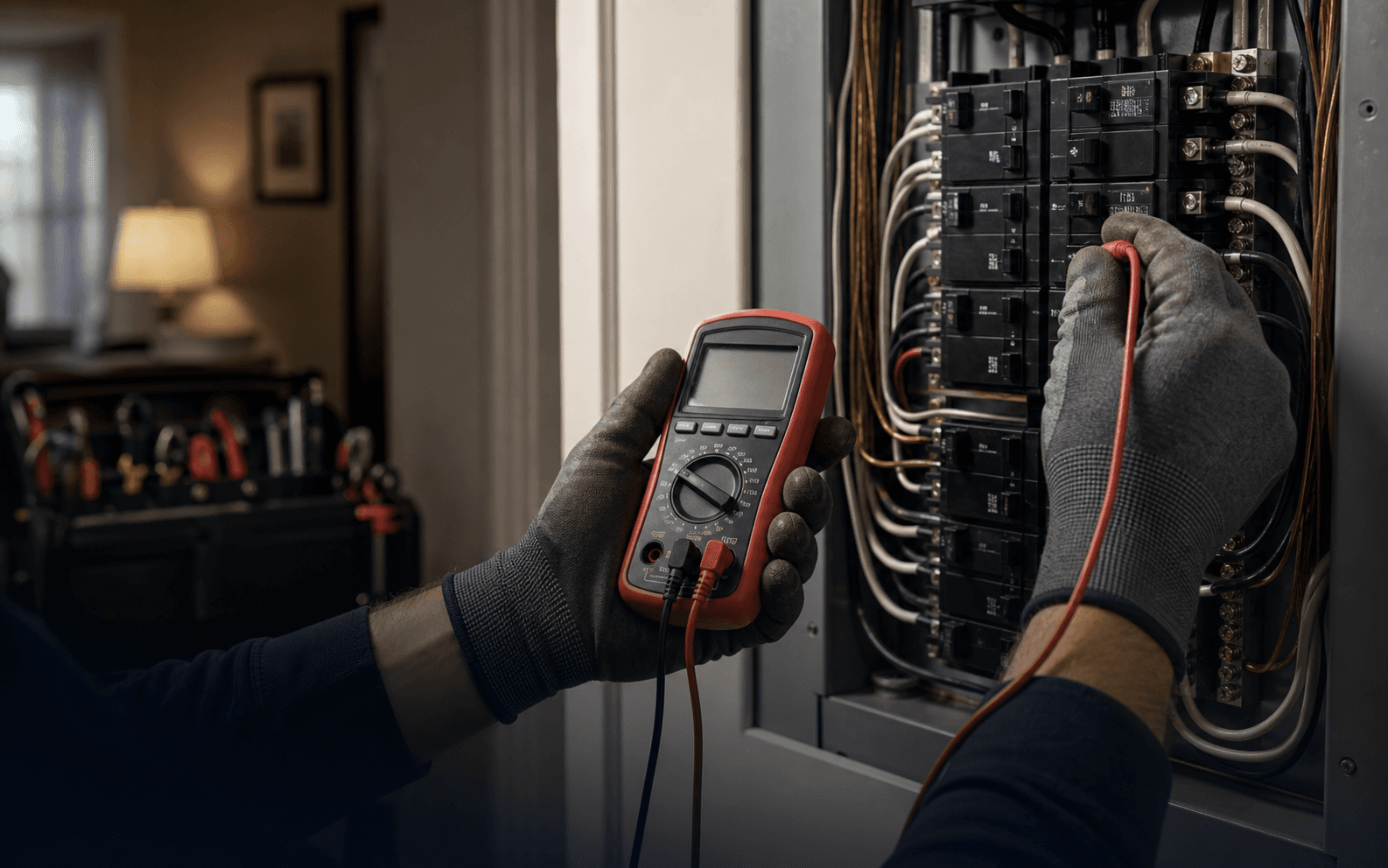
For outlet safety, the visit should produce a clear scope: what is being repaired or installed, what must be tested, which materials are required.
whether permits or utility coordination may apply, and what should be labeled afterward.
A good result is not just working power; it is power you can understand and maintain.