Licensed electrician service planning for Crawford, Texas homes and businesses
Service area guide

Electrician in Crawford, TX

Electrical work in Crawford should start with the actual building, the panel, and the loads you plan to run. Crawford electrical plans should account for distance, weather exposure, and future additions.

What matters most in Crawford

For Crawford, country homes need reliable power for gates, barns, well equipment, and backup systems.

That means a good electrician should look past the broken device and ask what the circuit is serving, how the panel is labeled.

whether grounding and bonding are correct, and whether the repair needs room for the next load you are likely to add.

Common calls we would plan for

The work list usually includes gate power, barn circuits, transfer switches.

plus the everyday repairs that make a home usable: outlets that will not hold a plug, lights that flicker, breakers that trip under normal use.

and exterior receptacles that have taken too much weather.

The useful move is to diagnose first, quote second, and leave the system easier to understand than it was found.

How to make the visit count

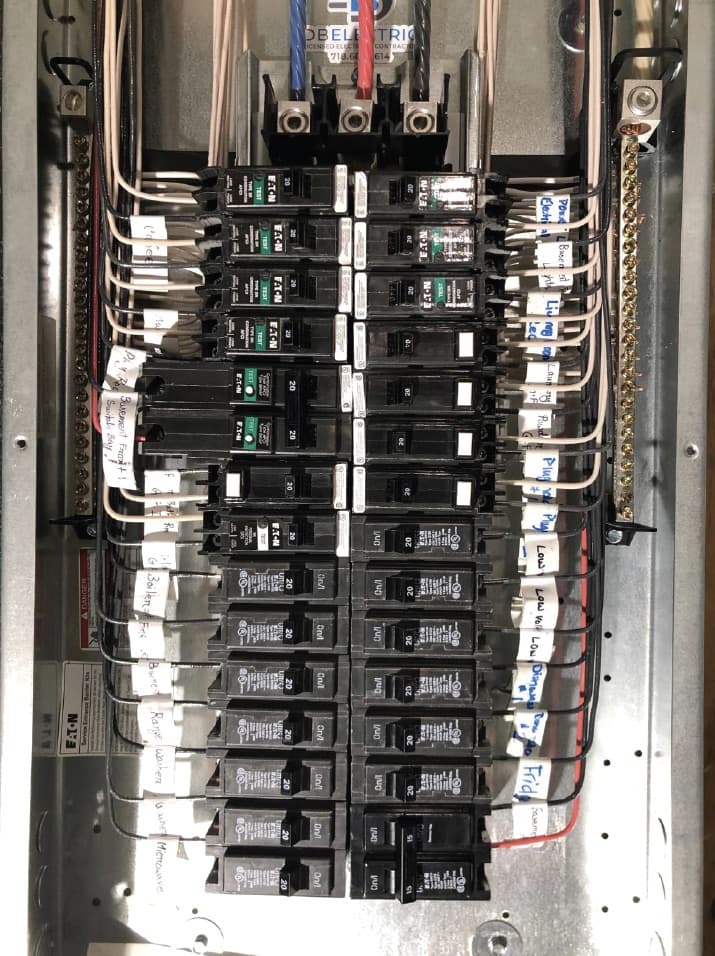
Before the truck arrives, write down which rooms or equipment are affected, take a clear photo of the panel directory.

and note when the problem happens.

If you are adding a charger, generator, range, dryer, mini-split, shop, or hot tub, gather the equipment specs.

That small bit of homework can turn a vague service call into a precise repair plan.

Local planning notes

More context before the call.

Ten practical notes for planning the visit, reading the room, and avoiding surprise scope changes.
  1. 01For Crawford, local electrical service decisions should start with the panel, the building use, and the loads that actually need power. A clean scope looks at the service size, breaker space, conductor condition, grounding, weather exposure, and access for future maintenance before anyone promises a quick part swap.
  2. 02The most useful first visit is a documented one. Photos, panel labels, device locations, equipment model numbers, and a plain description of the symptom help separate a nuisance repair from a safety issue. That is especially important when the work involves older wiring, exterior equipment, rental property, shops, generators, chargers, or remodel plans.
  3. 03Good electrical work should leave the system easier to understand. For Crawford, that means labeling what changed, explaining what was tested, naming any limits that remain, and pointing out future loads that may need their own circuit or service planning. The goal is reliable power today without creating a hidden problem for the next project.
  4. 04Before scheduling local electrical service, it helps to gather the basics: confirm the exact crawford address and any access notes., photograph the panel, meter area, and the problem device from a safe distance., list the appliances, tools, chargers, or equipment that run on the affected circuit.. Those details give the electrician a better starting point, reduce guesswork, and make it easier to bring the right materials on the truck.
  5. 05Code, utility rules, and permit expectations can change by address, so a useful estimate should say what is known, what still needs to be verified, and which parts of the job depend on inspection or utility coordination. That keeps the conversation practical instead of turning the first call into a guess.
  6. 06Safety clues matter. Heat marks, buzzing, repeated trips, partial power, water exposure, loose devices, damaged covers, and lights that brighten or dim unexpectedly can point to problems beyond the visible outlet or switch. Those symptoms should be named early so the electrician can choose the right diagnostic path.
  7. 07For homeowners, the best outcome is usually a short repair record: what failed, what was replaced, what was tested, and what should be watched next. For landlords, churches, shops, and small businesses, that record also helps future vendors understand the panel and branch-circuit history without starting over.
  8. 08If this page is part of a larger project, plan the electrical work before finishes are locked in. Charger circuits, kitchen appliances, generator inlets, exterior receptacles, lighting controls, shop equipment, and HVAC changes all become easier when routes, access, and panel capacity are discussed before drywall or concrete makes the path expensive.
  9. 09A good electrician should also talk about what not to do. Extension-cord fixes, oversized breakers, covered junction boxes, unprotected outdoor devices, vague panel labels, and overloaded multi-use circuits can hide risk while seeming convenient. The cleaner answer is usually a correctly sized circuit with clear labeling and safe access.
  10. 10Uncle Sam's Electric is based in Waco, so the service conversation can stay local: storm seasons, summer HVAC loads, older Central Texas homes, rural outbuildings, rental turnovers, church buildings, and small commercial spaces all create different electrical priorities. The address and use of the building should shape the scope.
Scope checklist

Make the work easier to quote.

The boring details are where the job gets cleaner: access, labels, loads, testing, and the finish record.

Useful details to gather

  • The exact Crawford address, gate codes, tenant timing, parking notes, and panel location help the first visit start cleanly.
  • Photos should show the panel label, the problem device, nearby equipment, and any heat marks or weather exposure from a safe distance.
  • For local electrical service, equipment labels matter. Model numbers, breaker ratings, plug types, and appliance specs can change the scope.
  • Write down when the symptom started, what changed recently, and whether it affects one room, one device, or the whole property.
  • If the work is for a rental, church, shop, or business, note access windows, shutdown limits, and who can approve scope changes.
  • If the work is rural or exterior, note trench routes, gates, animals, pumps, barns, weather exposure, and where equipment can be shut off.

What the electrician should verify

  • The panel should be checked for safe access, correct labels, service capacity, breaker condition, grounding, and available space.
  • Branch circuits should be traced far enough to know whether the issue is load, wiring, device failure, moisture, or damaged equipment.
  • Outdoor work should account for covers, boxes, conduit, GFCI protection, weather exposure, and future service access.
  • Projects that affect service equipment, new circuits, or large loads may need permits, inspections, or utility coordination.
  • The estimate should separate diagnosis, repair, replacement, access work, and any optional upgrade that can wait.
  • The electrician should explain what can be reused safely and what should be replaced because it is damaged, undersized, or hard to service.

What a clean finish looks like

  • A finished repair should include working power, safe covers, clear labels, tested devices, and a plain explanation of what changed.
  • The customer should know which breaker controls the work, what equipment was tested, and what warning signs should trigger another call.
  • Larger jobs should leave room for future loads instead of using every last bit of panel space with no plan.
  • Good local electrical service work should be understandable later by the owner, the next electrician, the inspector, or the property manager.
  • Photos, labels, and simple closeout notes help future service calls move faster and reduce the chance of repeat troubleshooting.
  • A clean finish also means covers are secure, debris is removed, circuits are tested under realistic load, and unsafe shortcuts are avoided.
Field checklist before scheduling
  • Confirm whether the local electrical service need is a repair, an upgrade, a safety concern, or planning for a future load.
  • Write down the Crawford address, property type, access notes, and who can approve the work on site.
  • Share whether the building is a home, rental, church, restaurant, shop, office, farm, or light commercial space.
  • List any equipment that must stay running during the visit, especially HVAC, refrigeration, medical gear, pumps, or business systems.
  • Name any recent weather, remodel work, utility outage, appliance change, tenant report, or equipment failure.
  • Photograph the panel from a safe distance, including the directory, main breaker, open spaces, and any labels that still make sense.
  • Photograph the affected area without removing covers, opening panels, or touching damaged equipment.
  • Note whether the problem happens once, repeatedly, only under load, only after rain, or only when large equipment starts.
  • Check whether nearby GFCI devices, subpanels, disconnects, timers, photocells, or switches are part of the same symptom.
  • For new loads, gather nameplate data, plug type, distance from the panel, preferred location, and future expansion plans.
  • For exterior work, note sunlight, rain exposure, lawn equipment paths, trench distance, animal access, and where shutoff should be placed.
  • For remodels, settle appliance locations, fan locations, lighting zones, switch points, cabinet plans, and inspection timing before rough-in.
  • For businesses, note shutdown windows, customer hours, emergency lighting, kitchen equipment, POS systems, and equipment schedules.
  • For rural properties, note wells, barns, gates, shops, long feeders, pumps, freezers, and equipment that may need a separate disconnect.
  • Ask whether the quote includes diagnosis, materials, labeling, testing, permit handling, cleanup, and closeout notes.
  • Ask what is unsafe now, what is simply inconvenient, and what can wait until a larger planned project.
  • Ask what was tested before the job is called finished, not just what part was replaced.
  • Keep the final notes with panel photos, breaker locations, date of service, work performed, and any future recommendations.
Field notes

Useful questions,
plain answers.

Do I need a licensed electrician for small repairs in Crawford?

For anything inside the panel, permanent wiring, new circuits, heat damage, repeated breaker trips, or wet-location electrical work.

a licensed electrician is the safer choice.

Simple bulb swaps are different from repairs to the wiring system.

Can an EV charger or generator be added in Crawford?

Usually yes, but the panel capacity, service size, route, grounding, and equipment specs should be checked first.

The right answer comes from a load calculation and site visit, not a guess.

Ready when you are

One call.
We bring the truck.

Estimates are free. Diagnostics are flat-rate. Emergency dispatch runs around the clock — including the day you needed power for the brisket.

  • HoursMon–Fri · 7:00–18:00
  • SaturdaySat · 8:00–14:00
  • Emergency24 / 7 Emergency Dispatch
  • Address1274 Buster Chatham Rd, Waco, TX 76705
  • LicenseTECL 40891